
 3 months ago
214
3 months ago
214
Taking a defensive posture by lying face down when encountering a bear can prevent serious injuries, according to a new Japanese study.
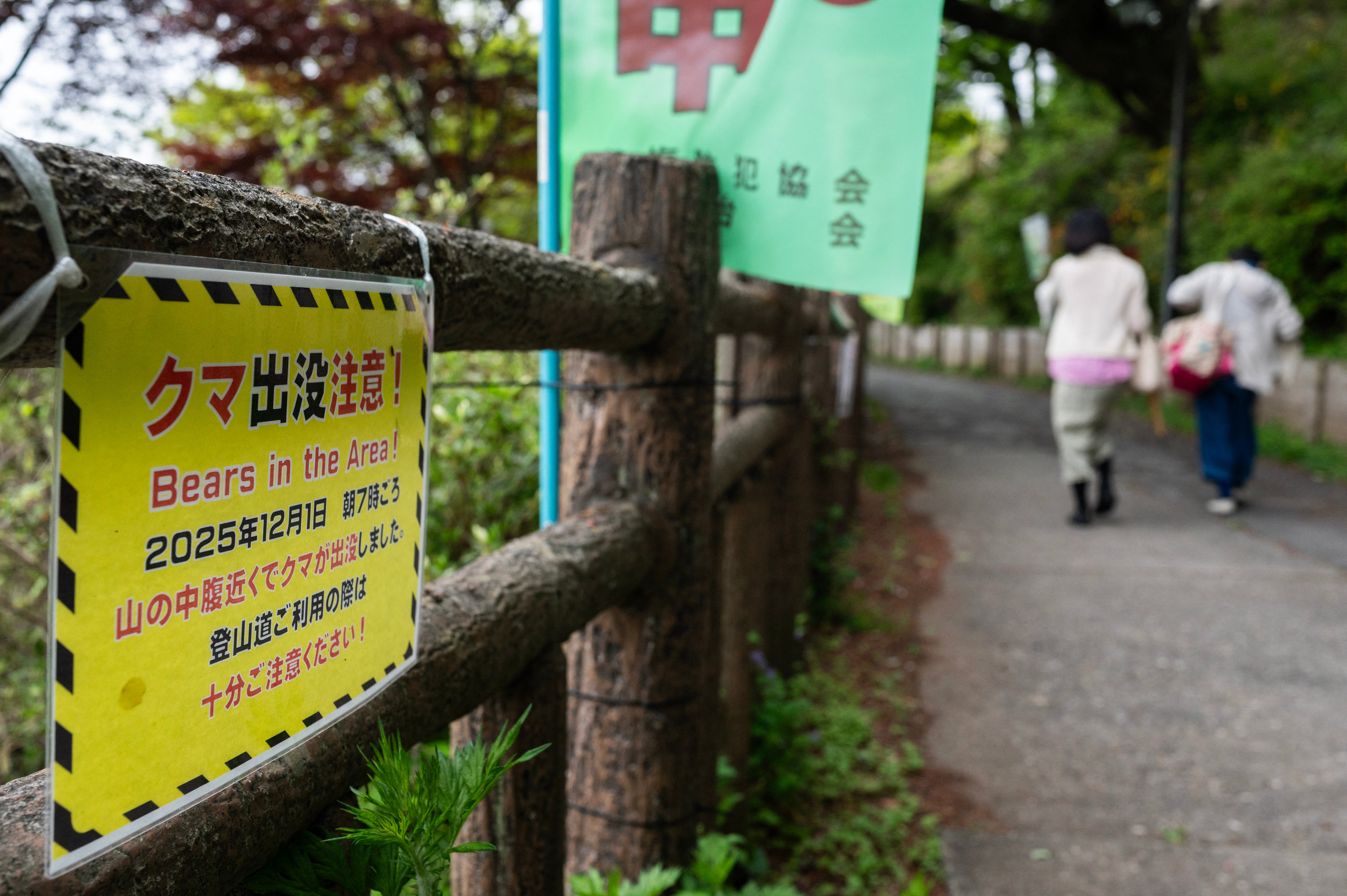
Japan has witnessed a record number of fatal encounters with bears in recent years, sparked by changing habitats and increased human activity in forests.
On Sunday, a Russian tourist hiking in the mountainous west of Tokyo sustained injuries to his face and arms after he was attacked by a bear.
In the last financial year ended March, there were over 50,000 bear sightings across Japan and a record 238 attacks, including 13 fatalities, according to the environment ministry.
Researchers from Akita University in northeastern Japan surveyed 70 people injured in bear attacks in 2023 and found that facial, hand and arm injuries were the most prevalent. However, seven people among those surveyed who lay face down and covered their heads and necks escaped serious injuries.
Scientists assessed personal accounts of the attacks from survivors and linked this data to medical record information such as the injury type and severity, in findings that are the first of its kind, based on actual data.
Of the 70 surveyed, 23 were severe cases with multiple trauma, requiring general anaesthesia and the amputation of fingers and limbs.
“There were 23 severe cases, six cases of facial nerve palsy, and four cases of eyeball disorders,” the study published in the journal Clinical Orthopaedic Surgery noted.

“Among those who were affected, 7 people (10 per cent of the total) were able to take a defensive posture, and none of these 7 people was seriously injured,” researchers said.
Bears are widespread in Japan, with brown bears found in Hokkaido and black bears seen widely in Honshu and Shikoku prefectures.
Of the 209 bear‐related human injuries reported in the country in 2023, 70 occurred in Akita prefecture in northern Japan.
Most of the injured were attacked while performing daily outdoor activities near their own residence.
“Attacks were frequent even in areas close to people’s homes, such as farmland and wooded residential zones,” researchers wrote.

"It is important for people to understand bear habits and learn effective ways to protect themselves from attacks,” study co-author and orthopaedic surgeon Yuki Ishigaki told Japan’s Kyodo News agency.
While the defensive posture uncovered in the study cannot guarantee complete safety, researchers say it may help minimise injuries to the head and upper body, which are areas most often targeted by bears during attacks.












 English (US) ·