
 2 months ago
180
2 months ago
180
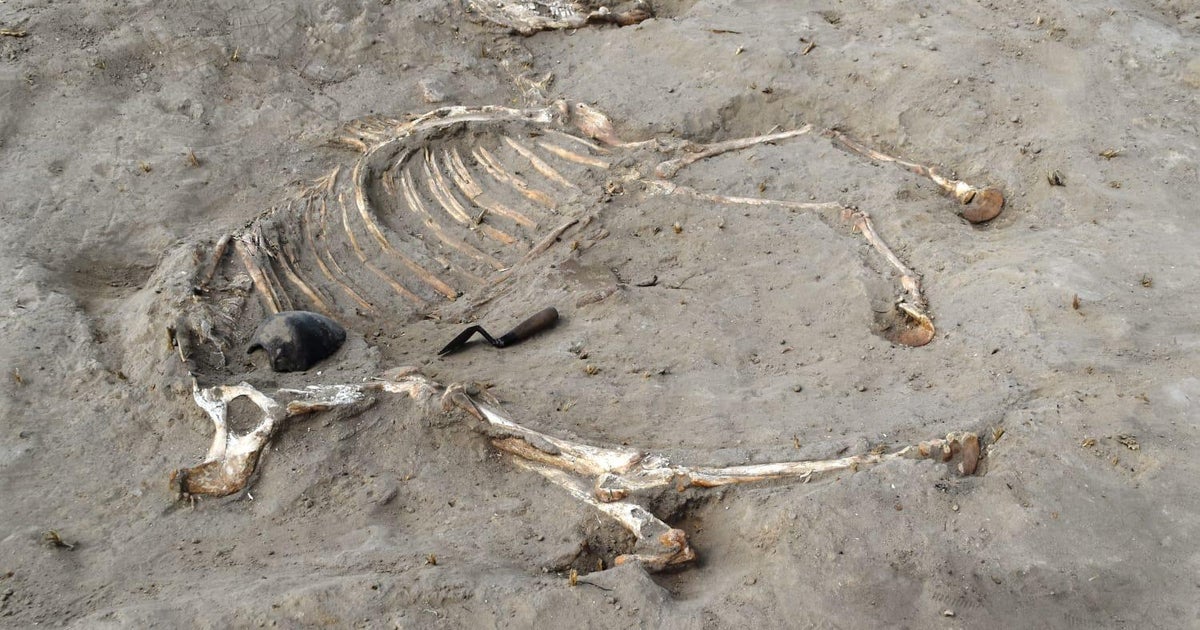
A shattered skeleton found in the ruins of Scotland’s Stirling Castle likely belongs to the world’s earliest-known trebuchet victim, according to a new study.
“Skeleton 150”, as the remains are known, belonged to a man in his 20s who died during a siege of the castle about 700 years ago.
He died from a massive blow that shattered his skull and pinned him to the ground. “While the use of siege engines is well documented, we believe this is the first evidence of trebuchet trauma in the archaeological record,” researchers noted in the study presented at the European meeting of the Paleopathology Association in Berlin last week.
In the study, archaeologists examined nine skeletons unearthed at the Stirling Castle for evidence of trauma related to the Scottish Wars of Independence of 1296-1328 and 1332-1357.
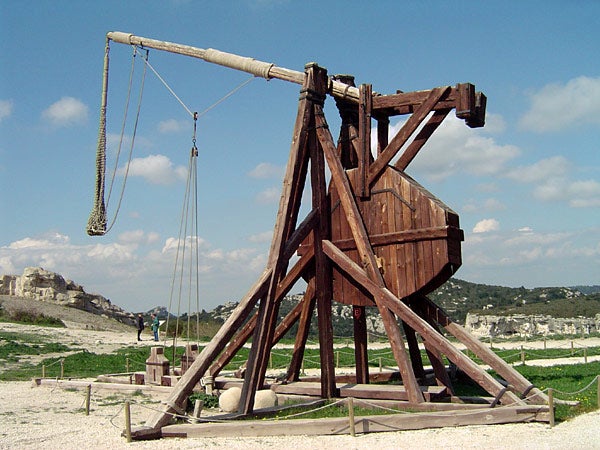
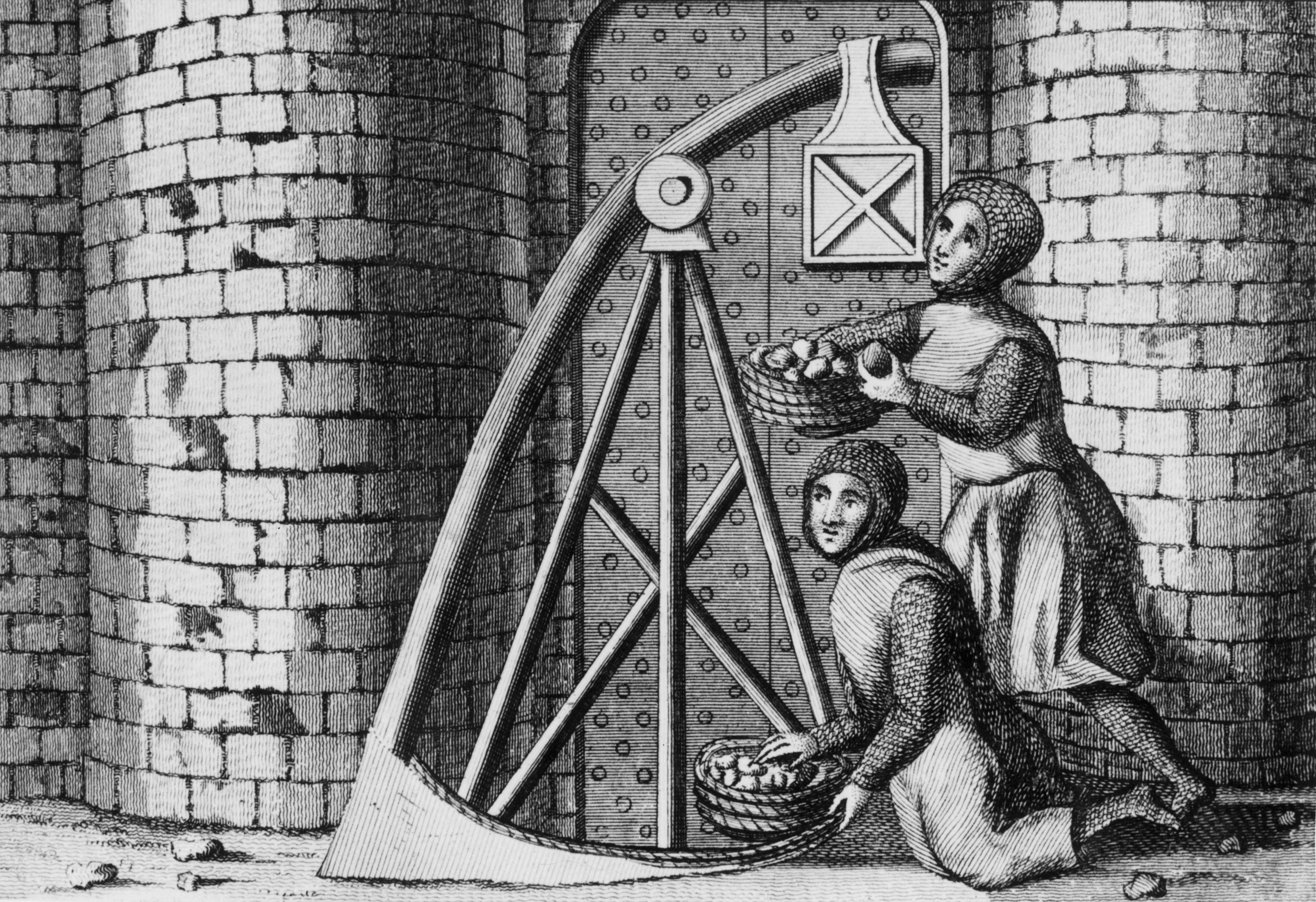
It was during the first war that the castle was besieged in 1304 by Edward I, who utilised siege engines, including the “War Wolf” trebuchet, believed to be the largest such weapon ever made.
Historical records suggest the 300ft tall trebuchet took five master carpenters and 50 labourers three months to build and that it could shoot projectiles as heavy as 140kg.
It was a projectile from such a trebuchet that killed the man behind Skeleton 150, the study found.
Scientists used radiography, microscopy, and CT X-ray scans to analyse the skeleton and found that it carried 61 fractures to the skull and 57 to the ribs and extensive damage to vertebrae, arms and right shoulder.
“SK150 was notable for having over 160 peri-mortem fractures across his skeleton, from the top of his cranium to his knees,” they said.
Initially, researchers suspected the bones were broken after burial but the latest scans helped confirm the fractures were suffered when the person was alive.
“Detailed analysis indicates this peri-mortem trauma was all blunt force,” they wrote in the study.
The patterns of the fracture indicated that the trebuchet projectile likely struck the man on his right shoulder and the back of his skull.
“Comparison with known forensic cases indicates this trauma was the result of a single, high-velocity impact, probably to a living individual with forearms flexed in front of the body and bearing weight through the lower limbs and feet,” researchers Jo Buckberry and Patrick Randolph-Quinney noted.
The findings highlight the brutality of medieval warfare and the importance of recording trauma in ancient skeletons.
While the timing of the man’s death and the pattern of his injuries indicated the man was a victim of a War Wolf or similar trebuchet, researchers were unable to confirm this due to the lack of comparable forensic cases from that time period.








 English (US) ·