
 2 days ago
42
Gavin Newsom has signed legislation banning the sale of some "muscle-building supplements" to Californians under 18 years of age.
The legislation (AB 2030), which was signed on Sept. 28, covers over-the-counter diet pills and dietary supplements for weight loss or muscle building. It will go into effect on Jan. 1, 2027.
"Nonprescribed, medically unapproved products may cause dangerous side effects," the governor’s office said in its announcement. "Products can be mislabeled or contaminated with substances such as steroids."
California’s law restricts minors’ access to supplements marketed for muscle building – specifically, those that are "labeled, marketed or otherwise represented for the purpose of achieving weight loss or building muscle."

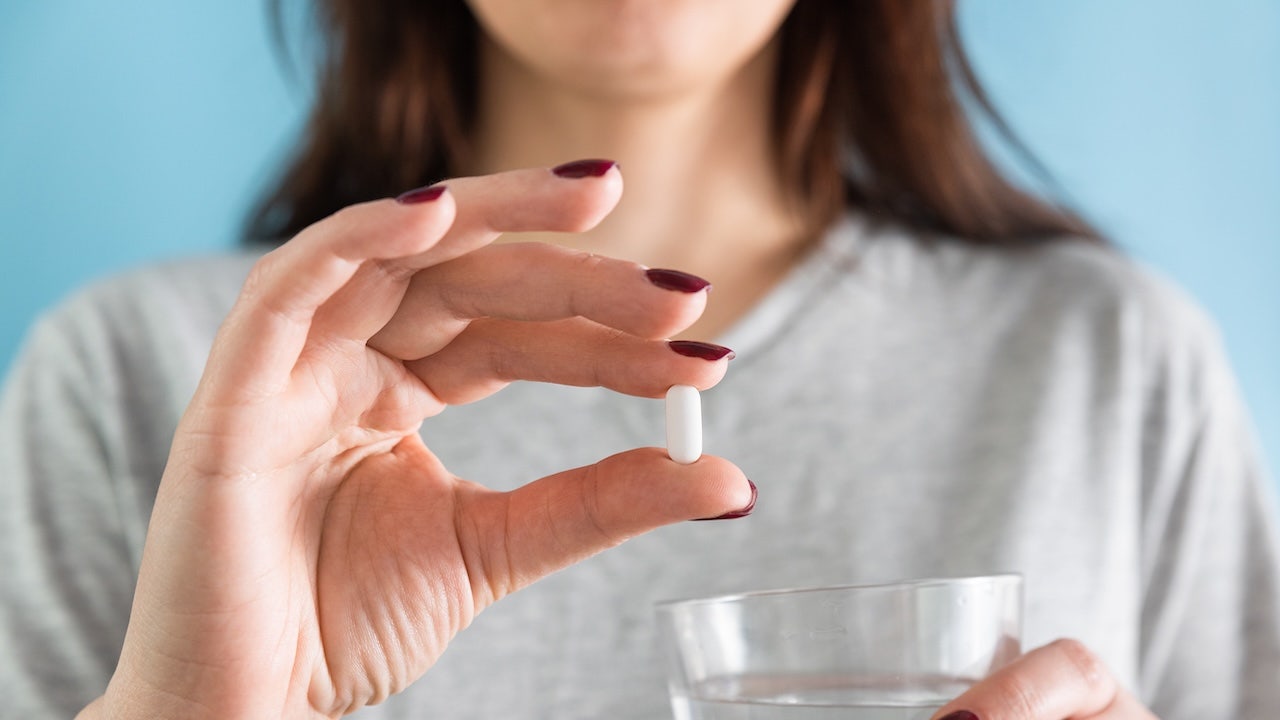
New California legislation will ban the sale of some "muscle-building supplements" to Californians under 18 years of age. (iStock)
Courts may consider whether a product contains "creatine, green tea extract, raspberry ketone, garcinia cambogia or green coffee bean extract," the legislation states.
The law does not impose an outright ban on all creatine products. Restrictions depend on how the supplements are labeled, advertised and marketed to consumers.
The law does not apply to people under 18 who have a prescription for an over-the-counter diet pill or dietary supplement for weight loss or muscle-building.
The release cites research indicating that nearly one in 10 adolescents have used such products.

The legislation (AB 2030), which was signed on Sept. 28, covers over-the-counter diet pills and dietary supplements for weight loss or muscle building. (iStock)
It also references studies linking over-the-counter diet pill use to a sixfold greater likelihood of an eating disorder diagnosis within three years.
The announcement does not specify whether whey protein or creatine products are included in the ban.
Sellers who do not adhere to the new law will face civil fines of up to $500 per violation.
"Nonprescribed, medically unapproved products may cause dangerous side effects."
The American Herbal Products Association, based in Maryland, released a statement opposing the law.
"Lacking any scientific justification, AB 2030 casts a shadow over safe, beneficial products," said Robert Marriott, the association's vice president of regulatory and government affairs, in the statement.
The organization argues that the law's scope is unclear and notes that it does not explicitly exempt protein products.
The Center for Science in the Public Interest, based in Washington, D.C., shared public support of the new legislation.
"Manufacturers of these products often prey on kids and teens with deceptive claims that lack any scientific evidence," said Jensen Jose, a regulatory counsel at CSPI, which co-sponsored the legislation.

"Studies show that many supplements contain harmful substances that go undetected," one physician warned. (iStock)
Dr. Sigrid Wolf, a pediatric sports medicine physician at Lurie Children's Hospital of Chicago, recently addressed the use of creatine products among teenagers, stating that evidence of benefits is limited.
"In some cases, they might even be dangerous," wrote Wolf, who is a member of the American Academy of Pediatrics' sports medicine committee, in an article published on HealthyChildren.org, the American Academy of Pediatrics' parenting website.
"Creatine can come with negative side effects such as weight gain, dizziness, nausea, vomiting and diarrhea."
"Studies show that many supplements contain harmful substances that go undetected," she added, instead recommending prioritizing nutrition, training, sleep and hydration.












 English (US) ·