
 2 months ago
170
2 months ago
170
As the United States celebrates its 250th anniversary, many Americans are taking extra notice of all the things the country has to offer.
One such case is our access to vast wilderness. Today, the nation's national parks are bustling tourist attractions, but they may also serve as vital resources for public health, experts say.
The most immediate health boost comes from physical movement.
Guidelines from the Centers for Disease Control and Prevention show that regular physical activity is crucial for reducing obesity, improving sleep quality and lowering the risk of chronic illnesses.
The nation's public lands include parks, trails and open spaces that encourage outdoor recreation and physical activity.
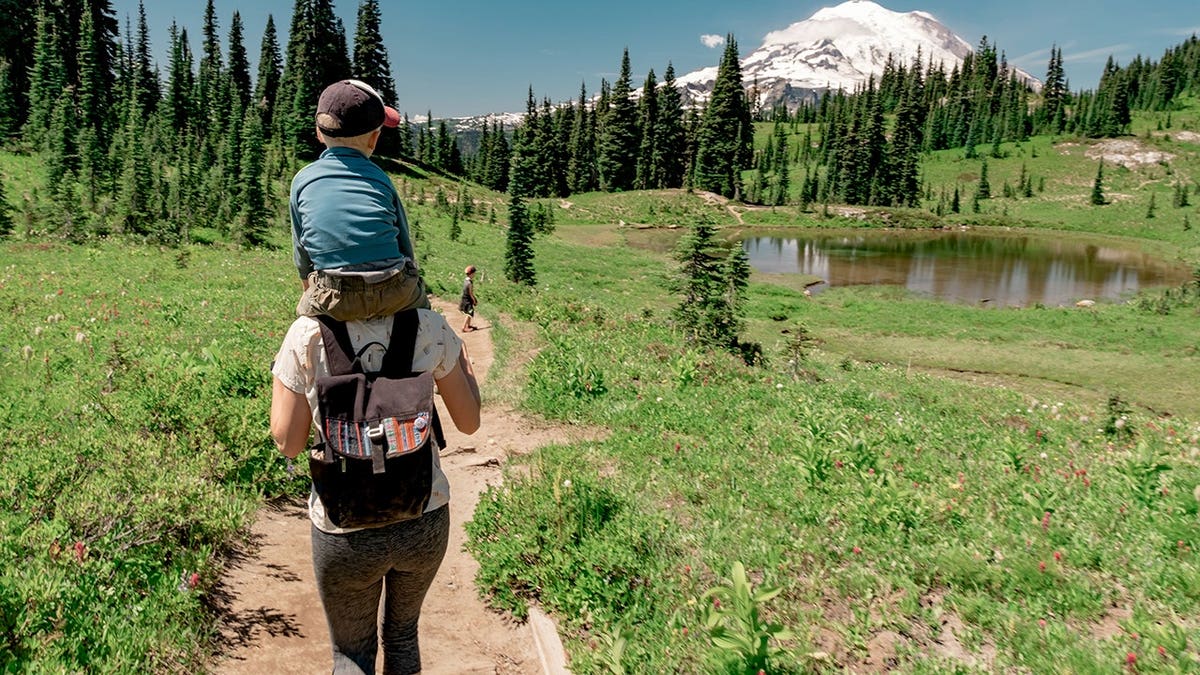
Beyond physical fitness, national parks contribute to documented mental health benefits. (iStock)
A review by the Community Preventive Services Task Force (CPSTF) found that implementing park, trail and greenway infrastructure directly increases physical activity across communities.
When people walk, hike or bike through national parks, they are actively lowering their blood pressure, boosting immune function and reducing overall mortality, data shows.
Beyond physical fitness, national parks may contribute to documented mental health benefits.
Previous research has demonstrated that direct exposure to nature significantly reduces physiological stress, lowers heart rates and decreases levels of stress hormones, like cortisol.
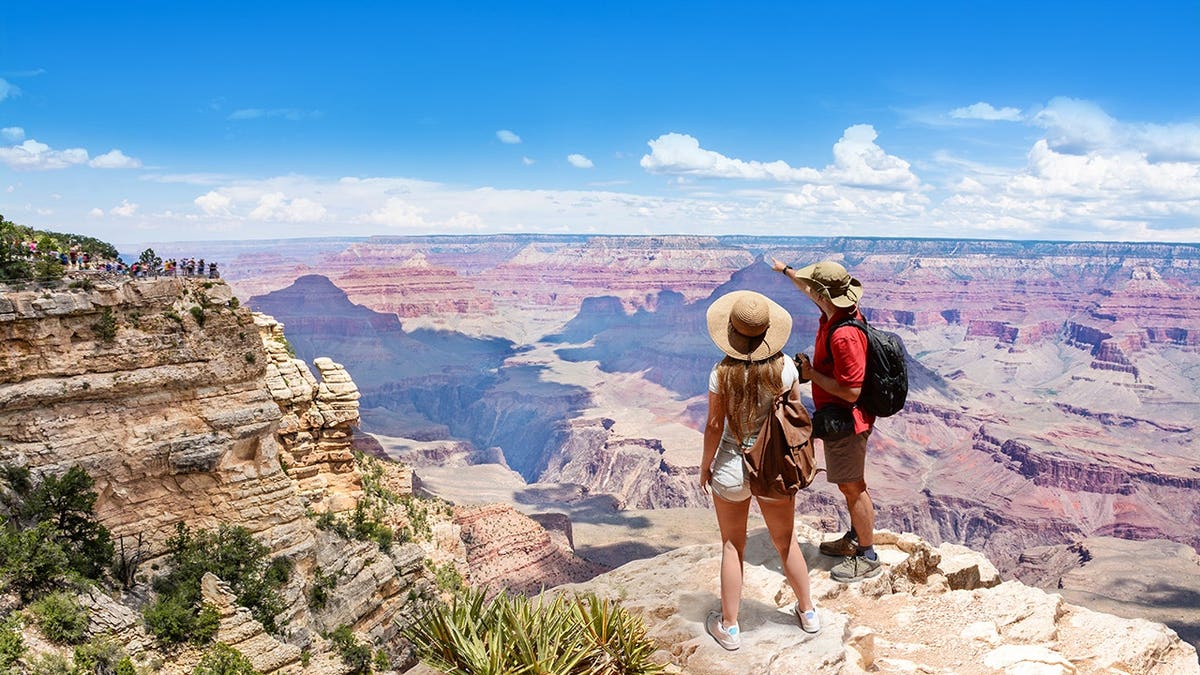
Engaging in educational activities and lifelong learning preserves brain function, improves memory and helps stave off age-related cognitive decline, research shows. (iStock)
This research also shows that natural environments boost attention span, combat mental fatigue and improve cognitive performance.
Parks also act as natural venues for mindfulness and social connection.
Research shows that practicing mindfulness in quiet outdoor spaces lowers stress and mitigates feelings of loneliness and social isolation.
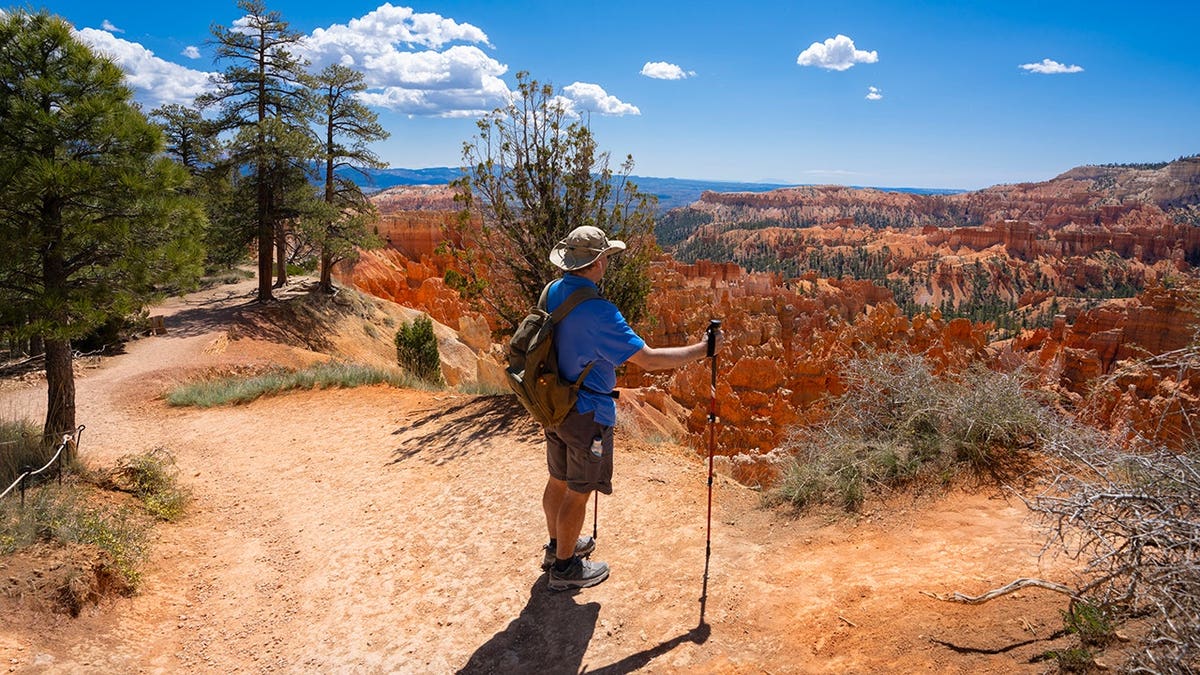
Research highlights that practicing mindfulness in quiet outdoor spaces lowers stress and mitigates feelings of loneliness and social isolation. (iStock)
Additionally, because parks protect cultural and historical resources, they can inspire lifelong learning.
According to the data, engaging in educational activities and lifelong learning preserves brain function, improves memory and helps stave off age-related cognitive decline.
The National Park Service was established in 1916 to conserve the nation's natural and historic resources for future generations, according to the organization.
Today, that mission has expanded, as parks are recognized not only for their scenic and cultural value, but also the opportunities they provide for recreation and physical activity.













 English (US) ·